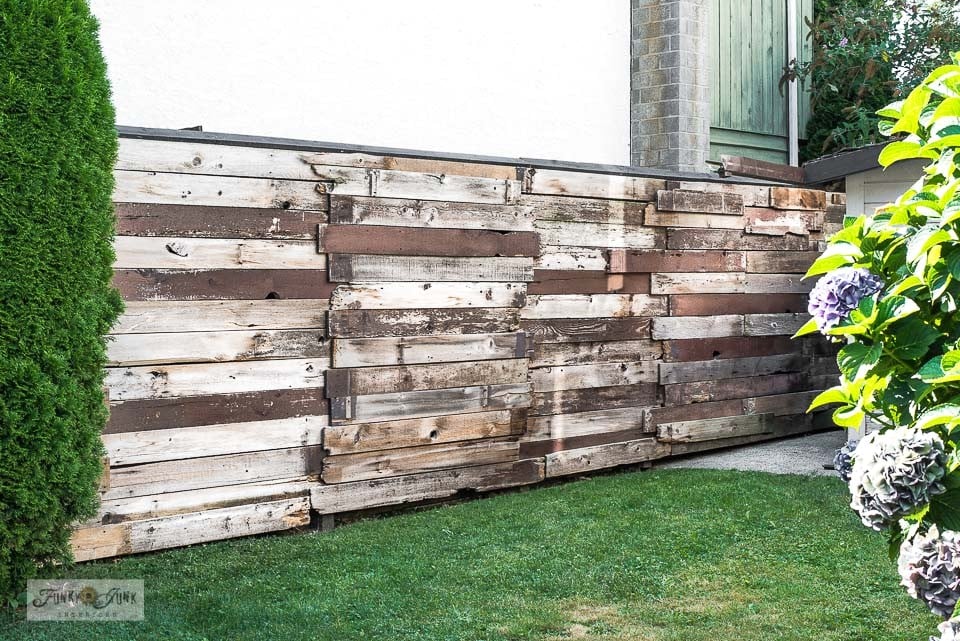
DIY Rustic Fences: Weaving Natural Beauty with Repurposed Charm
There's an undeniable allure to a rustic fence. It’s more than just a boundary; it's a statement of character, a nod to simpler times, and a seamless extension of nature itself. For homeowners eager to infuse their outdoor spaces with warmth, authenticity, and a unique story, DIY rustic fencing offers a world of possibilities. By creatively repurposing materials and harnessing the inherent beauty of natural elements, you can craft a fence that not only defines your garden but also elevates its entire aesthetic, making it a true sanctuary.
Far from mass-produced uniformity, a rustic fence thrives on individuality. Whether it's the weathered patina of reclaimed wood, the organic curves of hand-woven branches, or the sturdy elegance of stacked stones, each element contributes to a tapestry of texture and visual interest. This article will guide you through the compelling reasons to embrace DIY rustic fencing, explore the vast potential of repurposed and natural materials, and provide practical insights to help you build a fence that truly resonates with your home’s unique spirit.
Why Embrace DIY Rustic Fencing? Character, Sustainability & Savings
Opting for a DIY rustic fence isn't just a design choice; it's a lifestyle statement that brings a multitude of benefits to your home and garden. The primary appeal lies in the sheer amount of character and individuality you can achieve. Unlike standard fences, a rustic design intentionally embraces imperfections, unique textures, and the story behind its materials. This creates an inviting, cozy atmosphere that often feels as if it has always been a part of the landscape.
Beyond aesthetics, sustainability is a huge driving force. By utilizing repurposed materials – think old barn wood, discarded pallets, or even scrap metal – you’re giving new life to items that might otherwise end up in a landfill. This eco-friendly approach reduces waste and minimizes your carbon footprint, all while adding a genuinely unique touch that can’t be replicated by new materials. Furthermore, sourcing materials locally, whether it’s fallen branches from your property or stones from a nearby quarry, further enhances this sustainable aspect.
From a practical standpoint, DIY rustic fencing can also be significantly more cost-effective. While some specialized salvaged items might carry a price tag, many natural materials can be sourced for free or at a very low cost. The labor is your own, saving you installation fees. This makes an attractive, durable fence accessible even on a modest budget. The satisfaction of building something beautiful with your own hands, combined with the distinctive charm and environmental responsibility, makes DIY rustic fencing an incredibly rewarding endeavor.
Repurposed Treasures: Crafting Fences with a Story
One of the most exciting aspects of DIY rustic fencing is the opportunity to scout for and integrate repurposed materials. These elements come with their own history, wear, and unique appeal, instantly adding depth and narrative to your outdoor space. Here are some popular options and tips for incorporating them:
- Reclaimed Wood: This category is vast and incredibly versatile.
- Barn Doors & Siding: Weathered barn doors, complete with their original hardware or peeling paint, can be installed as fence sections or gate features. Their robust nature and aged appearance are instantly charming. Old barn siding can be used for solid panels, offering a consistent rustic texture.
- Pallets: Readily available and often free, wooden pallets can be deconstructed and their planks used to create vertical or horizontal fence sections. The varied wood tones and nail holes add to their rustic appeal. Ensure pallets are heat-treated (HT stamp) rather than chemically treated (MB stamp) if they will be near edible plants.
- Driftwood: For a truly unique, coastal-inspired look, sun-bleached driftwood pieces can be arranged artfully. Their sculptural forms and smooth, natural finish create an organic, artistic barrier perfect for a beach-style garden or a serene meditation space.
- Old Fencing & Decking: Don't overlook old fence panels or deck boards from demolition projects. Even if they're damaged, sections can be salvaged, cut, and combined to form new, interesting patterns.
- Weathered Wrought Iron: Vintage wrought iron gates or sections of old fences can be beautifully integrated with reclaimed wood posts or panels. The rusted scrollwork and intricate details offer a romantic, antique feel, especially when softened by climbing roses or ivy. Look for pieces at salvage yards, antique shops, or online marketplaces.
- Old Windows & Doors: While less common, old window frames (without glass, or with safety glass) or even distressed interior doors can be repurposed as decorative fence panels or gate inserts, allowing glimpses into the garden beyond while maintaining an enclosed feel.
Tips for Sourcing Repurposed Materials:
- Salvage Yards & Architectural Resale Shops: These are goldmines for unique finds.
- Online Marketplaces: Check local listings for free or cheap demolition materials.
- Construction Sites: With permission, you might find usable scraps.
- Ask Around: Friends, family, and neighbors might have old materials they're looking to get rid of.
Embracing Nature's Bounty: Fences from Natural Elements
Beyond repurposed items, the natural world offers an abundance of materials perfect for crafting beautiful and authentic rustic fences. These options blend seamlessly with your landscape, often requiring minimal processing and offering an organic aesthetic that evolves with the seasons.
- Woven Willow or Branch Fences: These fences exude an unparalleled organic charm. Flexible branches, such as willow, hazel, or even young saplings, are hand-woven around sturdy upright posts to create undulating patterns. The result is a fence with earthy hues and a tactile texture, perfect for defining garden beds, creating subtle boundaries, or adding a whimsical touch to a cottage garden. This method is incredibly satisfying and allows for artistic freedom in design.
- Split-Rail & Log Fences: A classic symbol of rustic charm, the split-rail fence utilizes rough-hewn logs (often cedar or pine) slotted together to form a robust, yet open boundary. For a more substantial barrier, stacked log fences create a solid, natural wall, often bound by natural vines for added stability and aesthetics. These are ideal for larger properties or woodland gardens, blending effortlessly with surrounding trees and natural flora.
- Twig & Gnarled Branch Fences: For a truly enchanting, storybook feel, gather sturdy twigs and irregularly shaped branches. These can be playfully arranged and secured to create a freeform, whimsical fence that meanders along pathways or frames a specific garden feature. Gnarled branches, with their unique twists and turns, add a sculptural quality that feels ancient and rooted in the landscape. Adorn them with wild roses or even mushrooms to enhance their woodland appeal.
- Stone-and-Wood Fences: Combining the solidity of natural stone with the warmth of weathered wood creates a fence that is both durable and visually rich. Stone can form the base or sturdy posts, with wooden rails or panels integrated above. Mossy crevices in the stone and lichen on the wood add to the time-worn beauty, making these fences feel truly integrated with the earth.
Tips for Sourcing Natural Materials:
- Your Own Property: Look for fallen branches, pruned limbs, or excess stones.
- Local Arborists: They often have wood scraps or branches suitable for fencing.
- Responsible Foraging: If collecting from public lands, always check local regulations and obtain necessary permits. Be mindful of not damaging living trees or disturbing ecosystems.
Beyond the Boundary: Enhancing Your Rustic Fence
A rustic fence is a canvas, and once constructed, there are numerous ways to enhance its natural beauty and integrate it even further into your garden's ecosystem.
- Climbing Plants: This is arguably the most effective way to soften and integrate any rustic fence. Fragrant honeysuckle can twine around cedar planks, creating a sweet-smelling, living wall. Ivy adds dense greenery and a timeless look to wrought iron or stone fences. Climbing roses can weave through split rails or old barn doors, offering bursts of color and romantic charm. Consider native vines that will thrive in your local climate.
- Wildflowers & Native Plants: Allow native wildflowers, lavender, sunflowers, or wild roses to grow freely around the base of your fence. This creates a soft, natural transition between the fence and the garden, enhancing the feeling of a flourishing, untamed landscape.
- Lighting: Strategically placed solar-powered fairy lights or rustic lanterns can highlight the unique textures of your fence, creating a magical ambiance during twilight hours.
- Gates & Accents: Don't forget the gate! A rustic gate should complement the fence. This could be a small, sturdy wooden gate, an antique iron gate, or even a simple archway fashioned from branches. Consider adding a birdhouse, a vintage sign, or a small shelf for potted plants to further personalize your fence.
Maintenance Tips:
- Wood: While part of the rustic charm is natural weathering, you can extend the life of wooden fences by applying an eco-friendly wood preservative or stain every few years, especially for untreated woods.
- Metal: For wrought iron, occasional brushing to remove loose rust and a clear sealant can prevent excessive deterioration, though a certain degree of rust is desirable for the rustic look.
- Woven Fences: Inspect woven branches annually for any loose sections or signs of decay. Replace individual branches as needed to maintain structural integrity.
Planning Your DIY Rustic Fence Project
Before you gather your materials and tools, a little planning will go a long way in ensuring your DIY rustic fence project is a success.
- Assess Your Space: Consider the purpose of your fence. Is it for privacy, defining a border, purely decorative, or keeping pets in/out? This will influence the height, material choice, and construction method.
- Design & Sketch: Draw a rough sketch of your desired fence. Think about the style that best complements your home and garden. Do you want something solid, airy, whimsical, or traditional?
- Material Sourcing: Start gathering your repurposed or natural materials well in advance. This can be a treasure hunt in itself!
- Tools & Safety: Ensure you have basic tools like a saw, hammer, drill, level, measuring tape, and safety gear (gloves, eye protection). Depending on your chosen materials, you might need specific cutting or joining tools.
- Local Regulations: Always check with your local municipality for any zoning laws, property line restrictions, or height limitations regarding fence construction, especially if your fence borders a neighbor's property or a public space.
- Foundation: Even rustic fences need a sturdy foundation. Posts should be set deep enough to withstand weather and provide stability, typically 2-3 feet deep, often with concrete or gravel for drainage.
Conclusion: Crafting Your Rustic Outdoor Retreat
DIY rustic fencing is an incredibly rewarding endeavor, transforming simple boundaries into captivating features that breathe life and story into your outdoor space. By embracing repurposed materials, from weathered barn doors to sculptural driftwood, and by harnessing the organic beauty of natural elements like woven willow and gnarled branches, you're not just building a fence – you're crafting a unique piece of art. This approach not only provides a charming, character-filled aesthetic but also champions sustainability and offers the immense satisfaction of creating something beautiful with your own hands. So, take inspiration from nature's textures and humanity's past, and begin planning your own rustic fencing project to create an inviting, natural, and truly personal garden retreat.